28 Aug 2026
Fiber and Longevity: The Path to Healthy Aging
 Mina Pontarelli

29 Oct 2025
 Osvaldo Nuñez
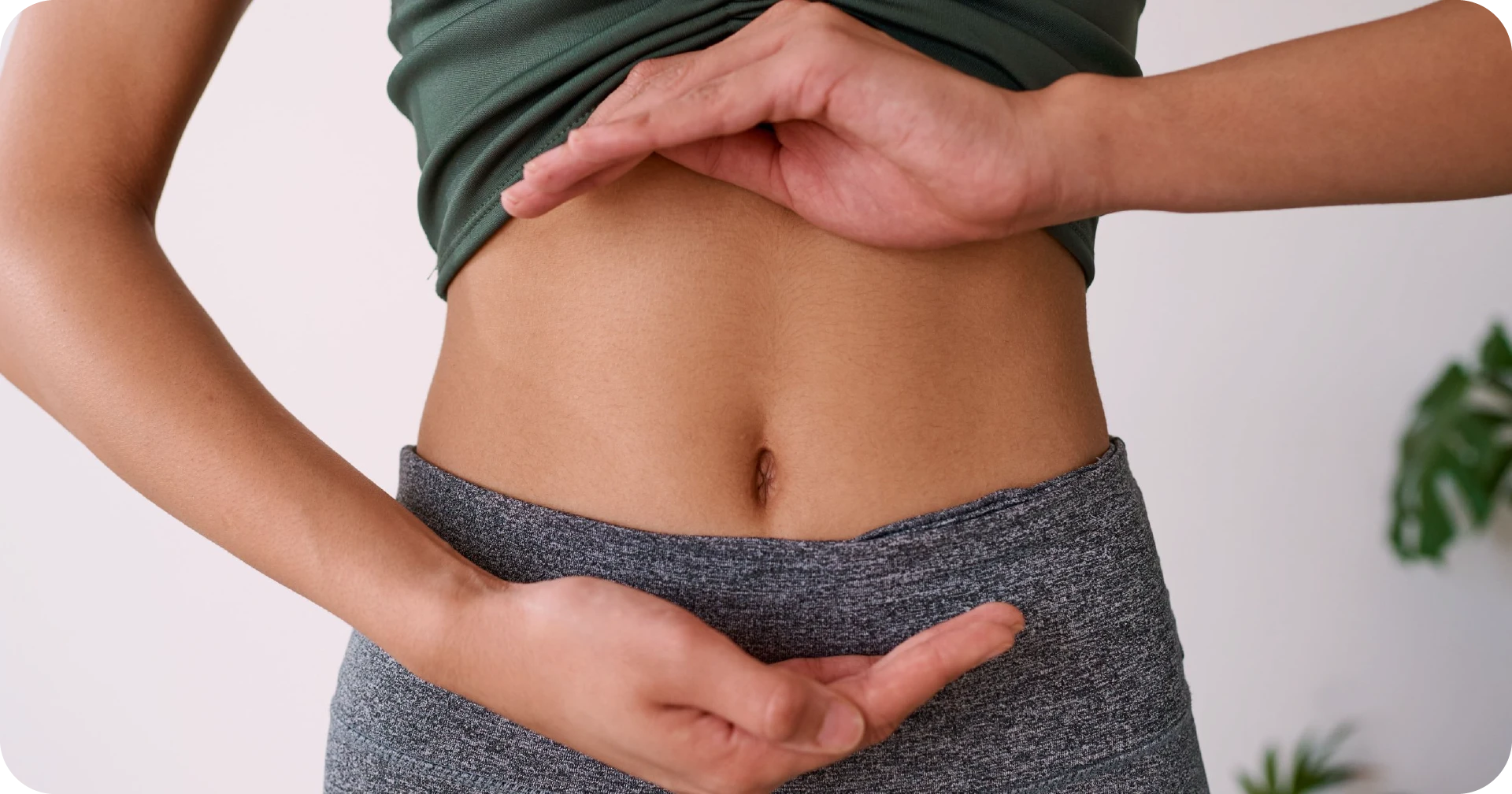
Why your gut may be the key to health
What if we told you that it was possible to boost your immunity, reduce inflammation, improve mental health, and lose weight, all without taking a single medication? In fact, that you can do all of this by yourself?
The latest research shows that by improving your gut microbiome, you can do all of this and more with wide-ranging benefits for your skin, brain, and yes, your digestion.
At True Health, this is exactly the type of health optimization we help our patients unlock. So this month, we’re bringing you a closer look at what the science says about our microbiome, why it impacts such a wide range of aspects of our health, and what you can do to maximize your microbiome to live a healthier life.
Right now, there is a community of organisms more than 6,000 times the entire population of earth, living in harmony with you. That is your microbiome: the collection of microbes that’s over 90% bacteria, coexisting happily on every surface of our bodies. They’re good for you, try not to squirm.
Of all these bacteria, none are as important as those that live in our gut. These specialized microbes are vital for a whole range of processes in our bodies, and their makeup is specific to every person, as unique as your fingerprint. So what exactly does this huge community of organisms do?
Most people know that these gut bacteria help us digest food, but our gut bacteria are also a critical part of our immune system, 70% of which is located in our gut.
Our microbiome is literally on the front line of immune response, helping our body identify harmful invaders, working to out-compete harmful bacteria for resources to reproduce, and producing anti-microbial compounds.
A team at the University of Chicago even found that our gut bacteria can help to determine if we get food allergies, by preventing allergens from entering our blood stream in the first place and causing sensitivities.
In all these cases, the healthier our gut bacteria are, the better able they are to identify and stop invaders from entering our bloodstream that can make us sick.
The impact of our gut bacteria, however, doesn’t stop in our gut. They can also have a noticeable impact on our mental health.
This is made possible through the vagus nerve, which connects the digestive tract to the brain, and works as a two-way highway for information. As much as our brain communicates with our digestive tract, our digestive tract is also sending information back to our brain.
Gut bacteria change the balance of chemicals in our gut, that can send signals to the brain that impact symptoms like anxiety. This connection is so powerful that scientists have found that by introducing the gut bacteria of people with anxiety to mice, the mice start to exhibit more anxious behavior. And while it’s not a cause-and-effect relationship, researchers have observed disruptions of gut bacteria in a wide range of psychiatric conditions as well.

Now that we’ve shown the power of your microbiome to impact your health, you’re probably wondering, “What can I do about it?” The answer is shockingly simple.
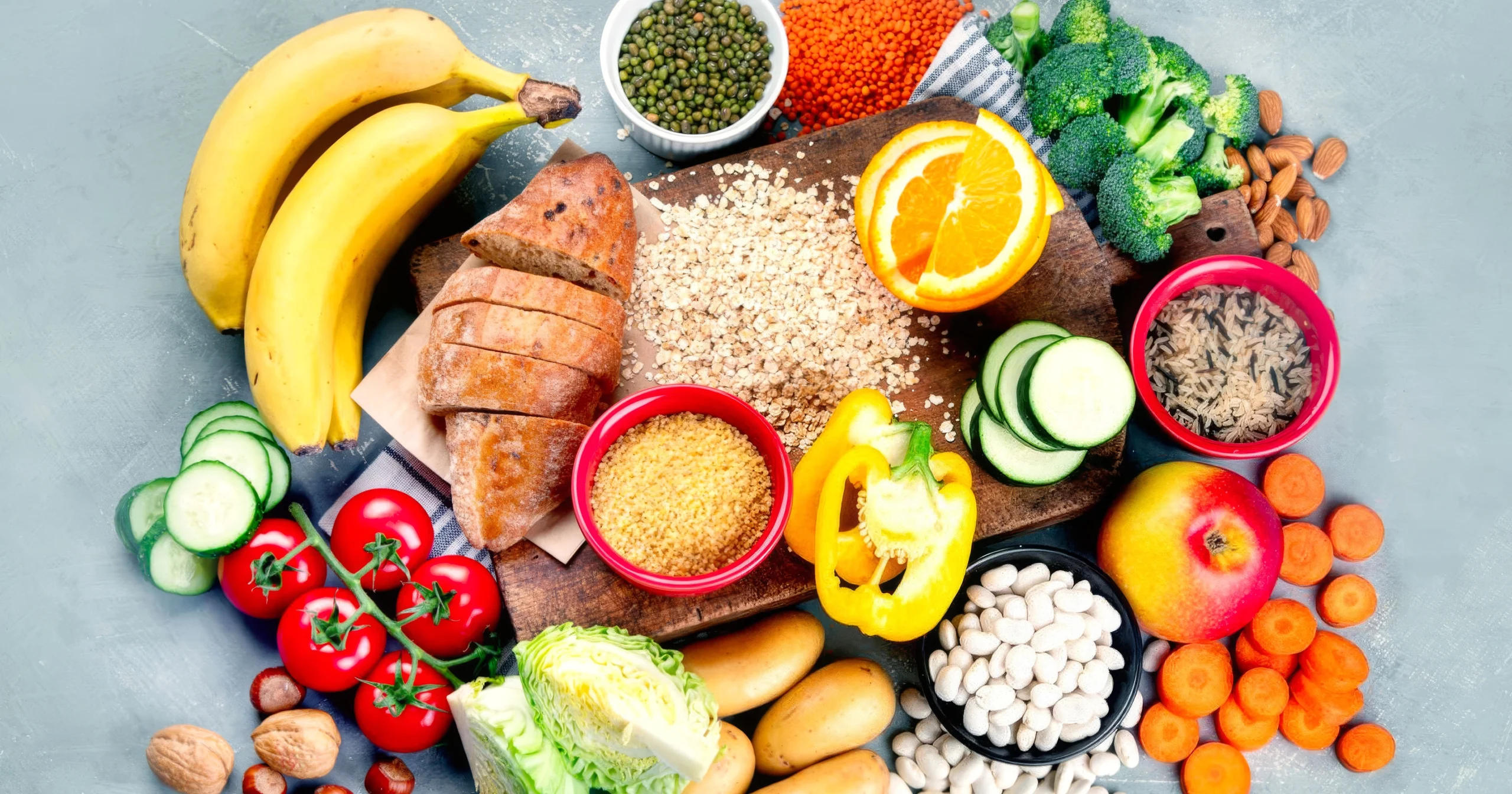
The key to building a healthy gut microbiome is not dependent upon probiotics, but largely based on diet. Our microbiomes thrive when we eat an abundance of what are known as prebiotics: fiber, resistant starch, and plant compounds.
These prebiotics are the preferred food source of the healthy types of gut bacteria, and eating them also feeds and grows those populations. If you’re interested in taking things to the next level, start incorporating foods with naturally occurring probiotics like Kefir and yogurt. Or foods that have the best of both worlds, fiber and probiotics, like sauerkraut, and kimchi.
As we head into the holiday season where colds go around, and big meals can challenge our digestion, now is the perfect time to put a little extra effort into boosting your microbiome ahead of time, to help you stay healthy and feeling well through the new year.
Today, we’ve barely scratched the surface of what science is continuing to uncover about our gut microbiomes. There are studies observing changes in gut bacteria in Multiple Sclerosis, uncovering that gut microbiome can impact the formation of plaques in the brain in Alzheimer’s, and even that some gut bacteria can help to prevent kidney stones. As research continues, it’s exciting to know that by just making a few dietary changes, you can get all the benefits we know about today—and more may continue to be uncovered in the future.
All of this has us thinking about that old cliche, “An apple a day keeps the doctor away.” More specifically, the apple. That apple has soluble fiber that healthy bacteria turns into short chain fatty acids to protect your gut lining, insoluble fiber that keeps digestion moving to prevent harmful bacteria overgrowth, and polyphenols that further suppress unhealthy bacteria while promoting the growth of healthy ones. Maybe people have really known that our gut was the secret to health all along.
Osvaldo Nuñez
Get insights, recipes, and tips for a healthier life delivered right to your inbox.
Get insights, recipes, and tips for a healthier life delivered right to your inbox.
Health insights are coming your way. Check your inbox.