30 Jun 2026
True Health Partners with Conciurgent Care
 Osvaldo Nuñez

28 Aug 2026
 Mina Pontarelli
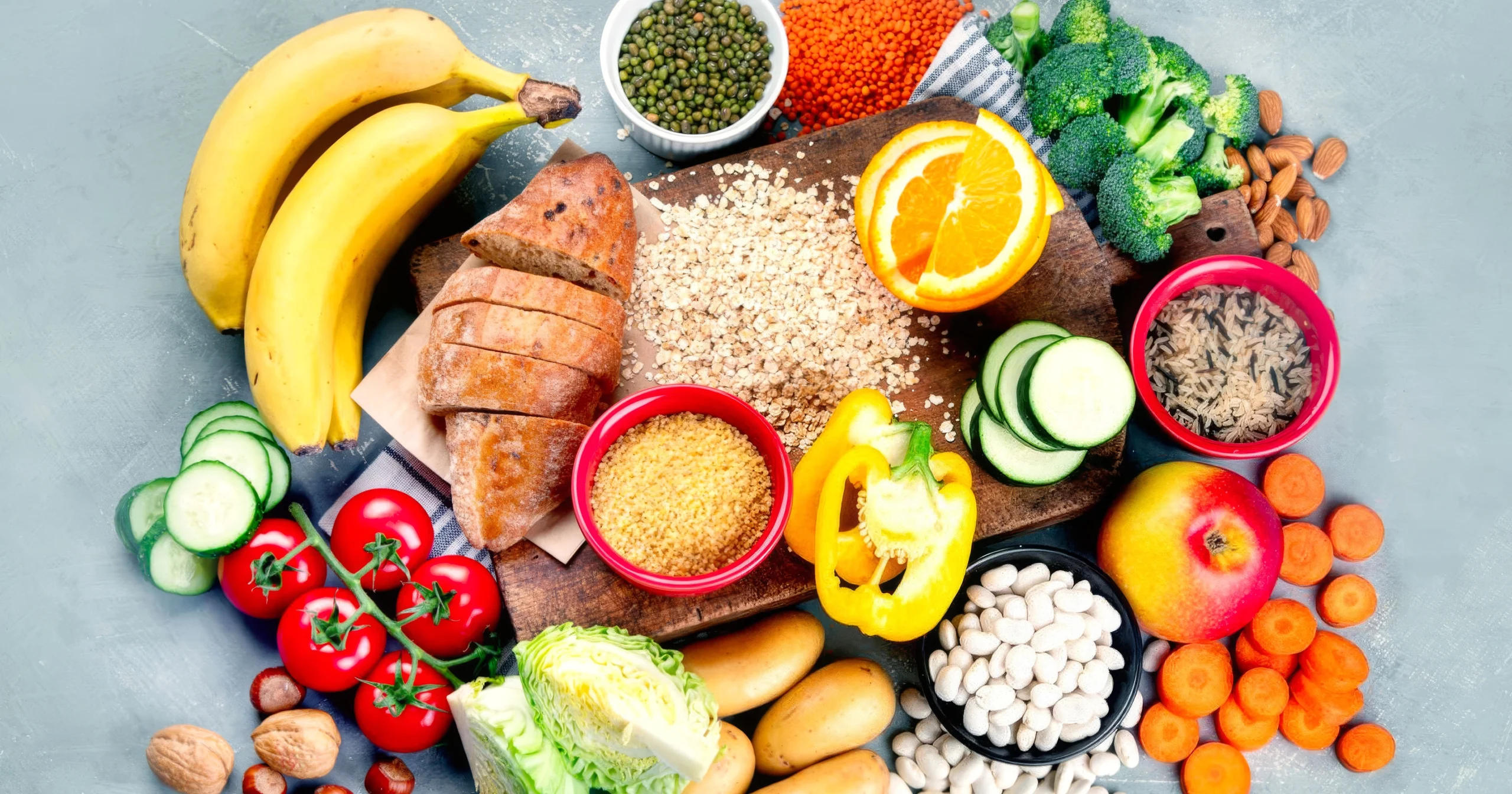
Your gut is home to trillions of microbes that shape inflammation, metabolism, and immunity, and one of the biggest levers you have over that environment is something most of us aren’t getting enough of: fiber.
Most Americans get only about 15 grams of fiber a day, while recommended intake for adults is generally around 25 to 38 grams. Fiber keeps you full, improves digestion, helps control blood sugar, and supports heart health.
Researchers have spent years studying the Blue Zones. These are five regions around the world where people routinely live past 100: Okinawa, Japan; Sardinia, Italy; Nicoya, Costa Rica; Icaria, Greece; and Loma Linda, California. Here’s what’s interesting: these communities didn’t set out to live to 100. They just built daily habits that happened to support it.

Across all five Blue Zones, plants make up more than 90 percent of caloric intake. Beans in particular show up again and again: cannellini, black beans, soy, lentils. Researchers point to legumes as the single most consistent food across every long-lived population studied. Blue Zones research is observational, so it can’t prove that any one food or habit causes a longer life. But the consistency of these patterns gives researchers useful clues about the everyday behaviors associated with healthy aging. Beans are one of the richest everyday sources of fiber, and fiber is doing real work behind the scenes.
Here’s what actually happens after you eat a fiber-rich meal:
Much of the body’s immune activity is associated with the gut, which is one reason gut health has implications beyond digestion. For a closer look at how this whole system fits together, see our post on Maximizing Your Microbiome.
Fiber can also play an important role in blood sugar regulation by slowing digestion and the absorption of carbohydrates. One simple way to put that into practice is to start a meal with fiber-rich vegetables. It slows the pace of a meal and adds more fiber at the same time.
A small change like this can make a big difference. Diets low in fiber are associated with a higher risk of heart disease, certain cancers, and obesity, while fiber-rich diets are associated with better long-term health outcomes.
Both soluble and insoluble fiber show up across fruits, vegetables, legumes, whole grains, nuts, and seeds, and your body uses them differently. Soluble fiber can help lower cholesterol by binding with bile acids in the digestive tract and helping carry them out of the body.
Because the liver uses cholesterol to make bile acids, losing more bile through digestion prompts the body to use circulating cholesterol to replace it. Over time, this is one way soluble fiber can support healthy cholesterol levels.
Fiber is one important part of the healthy-aging picture. Blue Zones research points to a broader set of lifestyle patterns known as the Power 9:
One of the most practical of these habits is natural movement. Activities like walking, gardening, and doing errands on foot have real benefits. Regular physical activity—including walking and other everyday movement—is consistently associated with healthier aging. Fiber-rich eating and regular movement both support many of the same areas of health, including blood sugar, reducing chronic inflammation, and metabolism.
You don’t need a full diet overhaul, just a few consistent swaps:
A simple visual cue: fill half your plate with color at every meal. It naturally pulls in more fiber along with the vitamins, minerals, and phytonutrients that come packaged with it. Shopping seasonally can make that goal even easier.
Seasonal produce can make eating more fiber-rich foods easier, more flavorful, and often more affordable. During late summer, Chicago-area markets are filled with options like zucchini, green beans, peppers, corn, and leafy greens like kale and chard. Farmers markets around the North Shore are a good place to start, but neighborhood markets like Sunset Foods, Whole Foods, and Jewel/Osco provide a wide variety of seasonal, organic options.
Small, steady choices add up in a way that mirrors what the Blue Zones show us. Eat the vegetables first. Choose the bean-based side. Leave the skin on the apple.
If you’re curious how your gut health, metabolism, and long-term aging picture connect, that’s exactly what we help members work through at True Health. Our nutrition team, including Jessica Kruzan, builds personalized plans based on your labs, your habits, and your goals, not a generic template.
Ready to take a closer look at your own health plan? Schedule a membership consultation at our Deerfield or Buffalo Grove office, or learn more about our approach to preventive care and health optimization.
Sources: Taken from True Health Culinary Medicine Summer Wellness Series. CDC National Center for Chronic Disease Prevention and Health Promotion, Cleveland Clinic, Buettner, The Blue Zones (2008, updated 2023), Ungvari et al., GeroScience (2023)
Mina Pontarelli
Get insights, recipes, and tips for a healthier life delivered right to your inbox.
Get insights, recipes, and tips for a healthier life delivered right to your inbox.
Health insights are coming your way. Check your inbox.