3 Feb 2026
A Healthy Meal Plan?
 Osvaldo Nuñez

27 Feb 2026
Osvaldo Nuñez
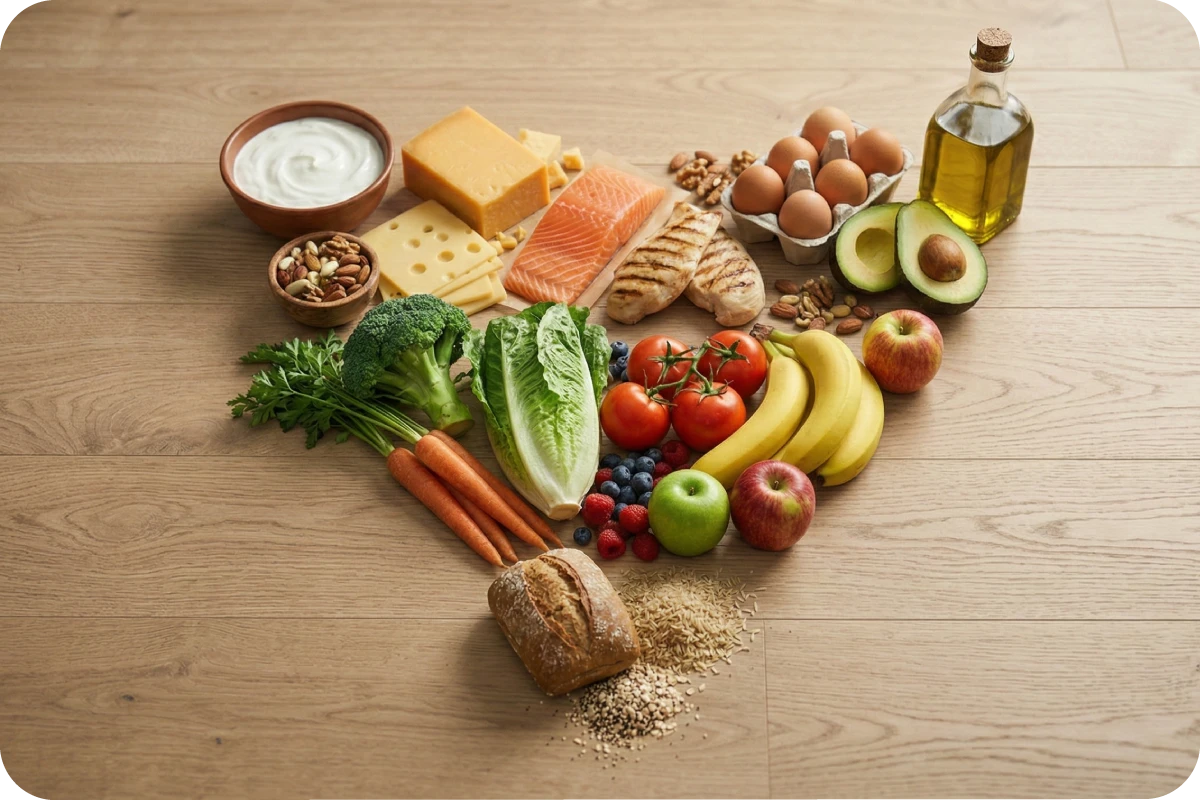
Making sense of the new USDA Food Pyramid
Last month, in Part 1 of this article, we introduced you to the new USDA food pyramid and some of its biggest updates: the firm focus on protein, a potential resurgence of red meat, and the questions that these changes raise.
This month, we’re completing our review of the pyramid by digging into the two remaining categories, the ones you might be more familiar with seeing emphasized on food pyramids of the past: fruits and vegetables, and grains. But even within these categories there’s new dietary guidance, and a degree of subtlety, that’s worth exploring.
So that’s what we’ll do in this article. By the time you finish reading it, you’ll know the ins and outs of the full food pyramid, and have a head start on how you can optimize your diet on a daily basis.
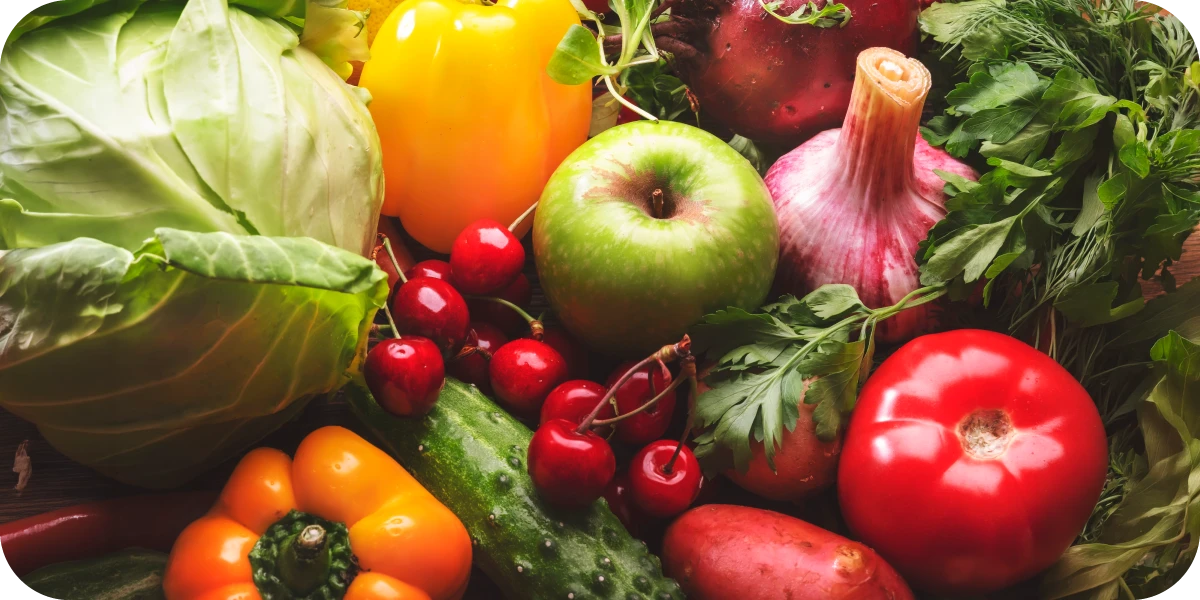
Protein may be where the new food pyramid starts, but fruit and veg are not far behind. They’re presented in equal proportion to protein (even if they’re in second position), and the USDA guidelines do note that “Vegetables and fruits are essential to real food nutrition.”
That emphasis on “real food nutrition” is key to understanding what to pick from this category. The USDA advises eating “a wide variety of whole, colorful, nutrient-dense vegetables and fruits in their original form, prioritizing freshness and minimal processing.” And in general, this is advice supported by science.
We know that fruits and vegetables are essential sources of micronutrients, antioxidants, flavonoids, and other health-boosting compounds, and the closer to fresh they are, and the less processed they are, the more we reap the nutritional benefits. But the piece about “original form” is misleading. There actually is such a thing as “too whole,” with fruits and vegetables, if you’re truly looking to get the most nutritional bang for your buck.

When it comes to adding fruits and vegetables to your diet, raw actually isn’t always the best choice. There are a variety of fruits and vegetables that are healthier when cooked. Not only does it make them easier to digest, but science shows that the process of cooking actually makes more nutrients available to your body.
For example, lightly cooking spinach and kale reduces the presence of oxalates in the greens. These are naturally occurring compounds that can block the absorption of calcium and iron when these greens are eaten raw. When it comes to mushrooms, cooking them doubles the availability of potassium, niacin, zinc, and magnesium. Cooking asparagus results in 16% higher levels of six nutrients and antioxidants. Even tomatoes offer additional benefits when cooked: more lycopene becomes available to your body—an antioxidant that has been tied to lower heart disease and cancer rates.
So before you go on your next grocery run for some fresh fruit and vegetables, do a little research on the best way to eat your favorite produce. You might be surprised at the answer, and you could unlock nutritional benefits with nothing more than a little heat.
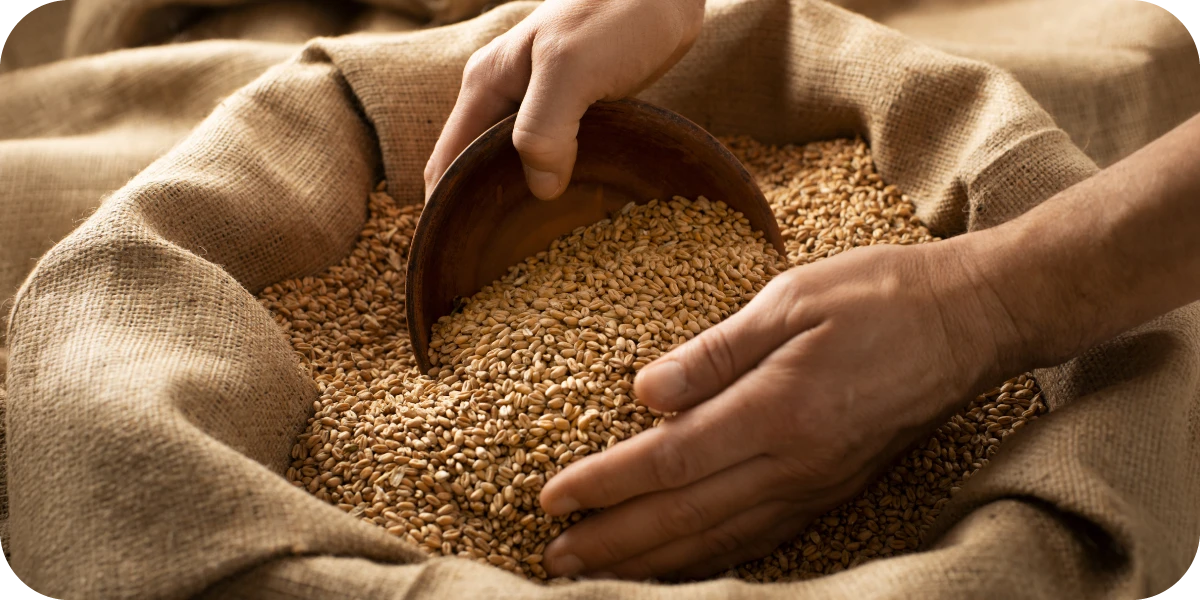
Back in 1992, when the food pyramid was first created, you might remember that grains were the largest section at the bottom. In its 2025 return, grains are still at the bottom, but the emphasis is different.
First off, this is the smallest portion of the entire pyramid, and meant to be eaten in smaller amounts than protein, dairy, healthy fats, vegetables, and fruit. But what goes into this section has also changed. Where the 1992 food pyramid highlighted grain products like crackers, bread, and cereal, the new USDA guidance actively discourages those foods in favor of whole grains.
Here’s the advice verbatim: “Whole grains are encouraged. Refined carbohydrates are not. Prioritize fiber-rich whole grains and significantly reduce the consumption of highly processed, refined carbohydrates that displace real nourishment.”This is another recommendation that’s worth examining a little more deeply. To begin, whole grains are in fact healthier than their refined cousins. The refining process that grains go through strips away naturally occurring nutrients like antioxidants and fiber. And fiber has a host of benefits: it slows down the digestion of grains in a way that benefits blood sugar, and it feeds your gut microbiome with benefits for your gut health and immunity. whole grains. And the health benefits are real: studies have confirmed that eating more whole grains has been linked to lower blood pressure, cholesterol, less inflammation, and better heart health.
But while whole grains are among the most nutritious carbohydrates, it’s worth noting that some processed grain products do not seem to present the same dangers as other foods like processed meats.
One study of processed foods found that when removing data from processed meats and sugar-sweetened beverages, most of the negative health impacts of eating processed foods disappeared. So while prioritizing whole grains is generally healthier, don’t feel like you need to start a blanket ban on carbohydrates. Having a bowl of low sugar cereal is not as significant of a cause for concern as eating a lot of processed meat with nitrates.

At True Health, we know that nutrition guidance feels like it’s constantly changing (look no further than the food pyramid) and that there are more sources than ever giving conflicting advice. But the truth we’ve found at the end of the day is that nutrition is not general, it’s personal. There is no optimized diet for everyone: the best diet for you is customized to your health markers, your needs, and your personal goals.
That’s why at True Health, we have a Registered Dietitian Nutritionist available to all of our patients—that’s the highest certification in nutrition. If you’re in search of more clarity, or if this article has you wondering about what your own optimized diet might be, schedule an appointment for yourself. Together, we can create a plan that fits into your life, and helps you unlock greater health and wellbeing for the long term.
Osvaldo Nuñez
Get insights, recipes, and tips for a healthier life delivered right to your inbox.
Get insights, recipes, and tips for a healthier life delivered right to your inbox.
Health insights are coming your way. Check your inbox.